For the past fifteen years, the prevailing trend in consumer technology has been convergence. The smartphone promised to replace the camera, the MP3 player, the GPS navigator, the alarm clock, and the book, rolling them all into a single, glowing rectangle. While the convenience is undeniable, convergence carries a hidden cost: context collapse. When the device you use to read a novel is the same device that delivers stressful work emails and algorithmic outrage, maintaining boundaries becomes impossible.
The Problem with the Everything Machine
The "Everything Machine" fundamentally alters our relationship with our tools. A tool should ideally have a clear, distinct purpose. When you pick up a hammer, your brain prepares for a specific set of physical actions. When you pick up a smartphone, your brain is bracing for an infinite number of potential inputs. Are you about to look at a map, read a message from a loved one, or stumble into a toxic political debate?
Because the device can do everything, it invites a state of continuous partial attention. You might open your tablet with the intention of reading a long-form essay, only to have a banner notification pull you into a messaging thread, which leads you to a web browser, and an hour later, the essay remains unread. The Everything Machine creates a frictionless slide between intention and distraction.
The Return to Single-Purpose Devices
Mindful tech consumption advocates for a strategic unbundling of our digital lives. By re-investing in single-purpose (or limited-purpose) devices, we can create physical boundaries that reinforce our mental boundaries.
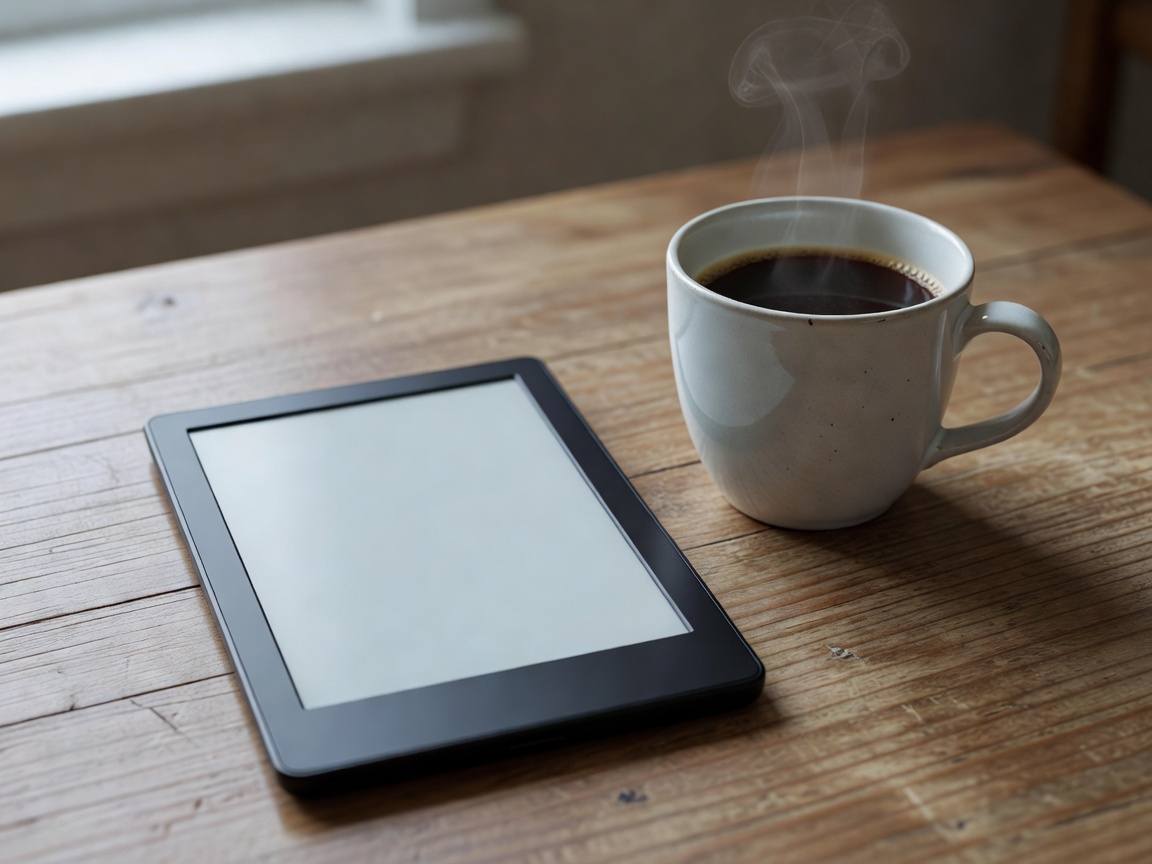
- E-Readers for Books: A dedicated e-ink reader is a prime example of a single-purpose device. It allows you to carry thousands of books, but it is terrible at browsing the web and it does not have social media apps. When you pick up an e-reader, you are committing exclusively to reading.
- Dedicated Music Players: Listening to music on a smartphone often leads to screen time. By using an older MP3 player or a dedicated digital audio player, you can enjoy music without the temptation to check your notifications between tracks.
- The "Dumbphone" Movement: Many digital minimalists are turning to basic feature phones or highly restricted e-ink phones. These devices handle calls, basic texts, and perhaps essential navigation, but lack the capability to run infinite scroll applications.
Separating Work and Leisure
Beyond specific devices, mindful consumption requires strict physical separation of work and leisure technology. If you work from home on a laptop, do not use that same laptop to watch movies in bed. The visual cues of your work environment will bleed into your rest environment.
Consider dedicating specific hardware strictly for creation and other hardware strictly for consumption. Your work computer should not have your personal messaging apps installed. Your leisure devices should not have access to your corporate email. By defining clear boundaries around what a device is meant to do—and more importantly, what it is *not* allowed to do—we transform our technology from a source of constant low-level anxiety back into a collection of useful, manageable tools.